Urinary incontinence: treatment options explained simply
Treatment often starts with conservative steps and may include medications or procedures depending on the type.
Urinary incontinence can be improved in many cases. The best approach depends on the type and severity.
Common options include:
1) Lifestyle changes: weight management, fluid timing, reducing bladder irritants.
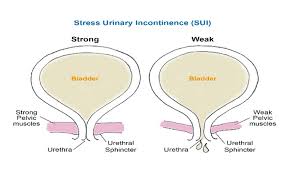
2) Pelvic floor physiotherapy (including guided exercises).
3) Medications when appropriate (especially for urgency/overactive bladder).
4) Procedures: bladder Botox injections or other interventions for selected cases.
5) Surgery for stress incontinence in suitable candidates (e.g., sling procedures such as TVT/TOT).
A specialist assessment helps determine the type of incontinence and the most effective plan.
This article is for education and does not replace medical advice.
Common options include:
1) Lifestyle changes: weight management, fluid timing, reducing bladder irritants.
2) Pelvic floor physiotherapy (including guided exercises).
3) Medications when appropriate (especially for urgency/overactive bladder).
4) Procedures: bladder Botox injections or other interventions for selected cases.
5) Surgery for stress incontinence in suitable candidates (e.g., sling procedures such as TVT/TOT).
A specialist assessment helps determine the type of incontinence and the most effective plan.
This article is for education and does not replace medical advice.